
About New Balance
In 1906, New Balance started as a modest single-person enterprise, grounded in the idea that "we were born to move," and has since evolved into a global company, offering footwear and clothing in more than 120 countries with over 14,000 employees worldwide. Our purpose has always been to enhance athletic performance, and through our relentless dedication to quality and craftsmanship, we've established the benchmark for comfort and fit in an industry frequently driven by hype. We take great pride in our heritage and our progress, but a company doesn't endure for over a century by resting on its laurels. From launching new fashion trends, refining our production techniques, or constructing a cutting-edge headquarters, we chase innovation with a bold and independent spirit. As the world's only major footwear company that's privately held, we have the freedom to operate on our own terms, exploring new frontiers and challenging norms as we constantly rethink what's possible. After all, the status quo never stands still. Yet, doing things our way wouldn’t be significant if we didn’t also do them ethically. We support our employees just as they support us, and as we advance, we prioritize giving back to the communities around us through dedicated charitable initiatives and volunteer programs. We are a compassionate organization, and our culture is rooted in integrity and collaboration, where our collective efforts exceed what any individual could achieve alone.
Executive Leadership Team
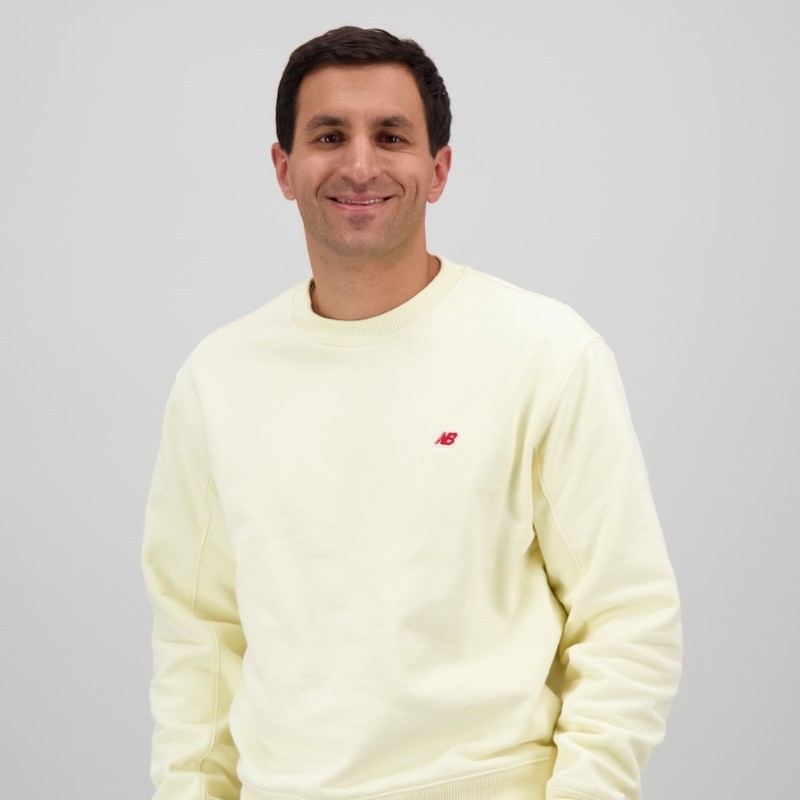
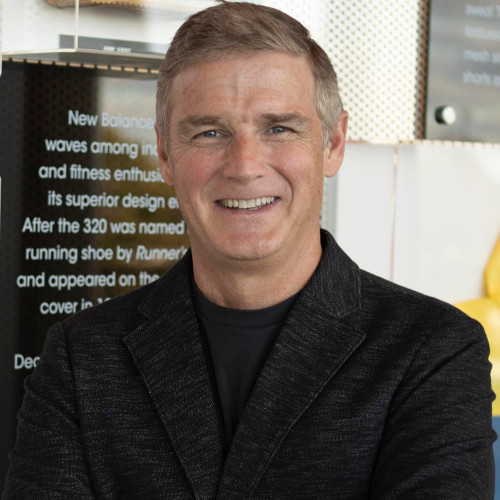
Organizational Chart — Preview
New Balance Executive Leadership Team
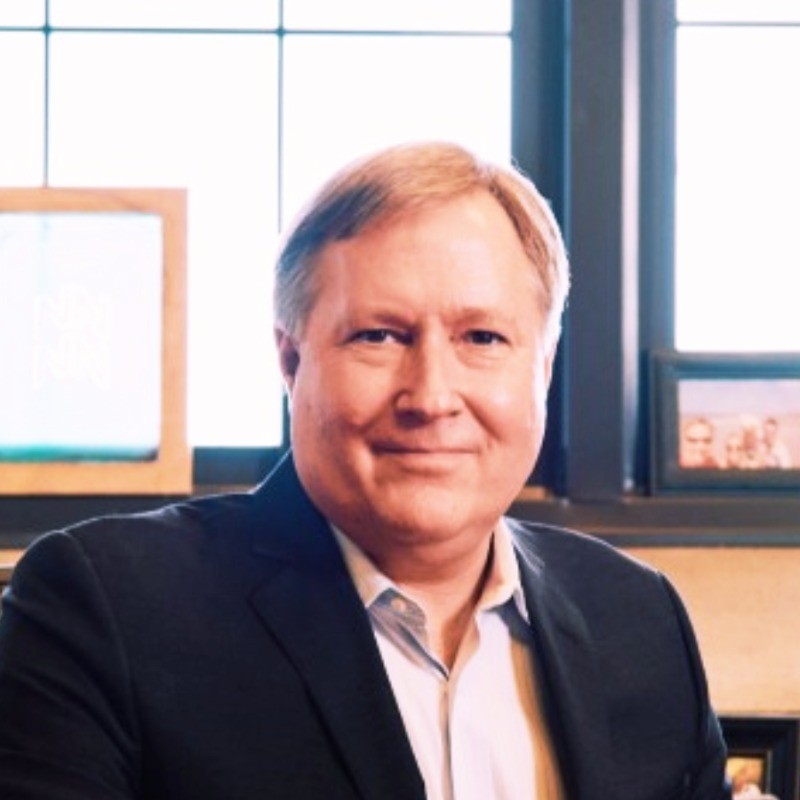
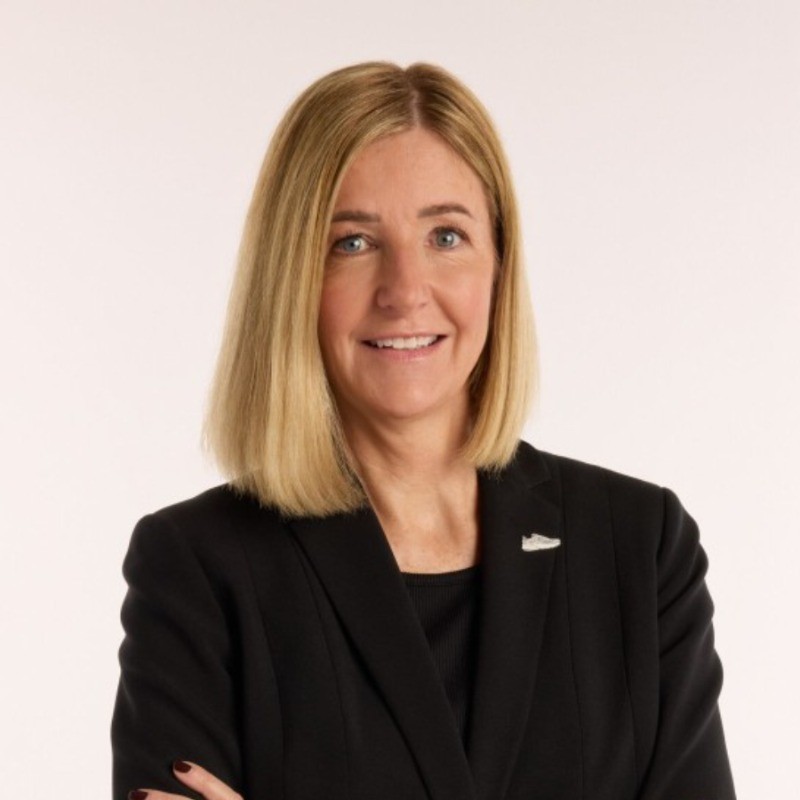
Business Focus Areas
New Balance Org Chart & Organizational Structure
New Balance, led by President and Chief Executive Officer Joe Preston, organizes its executive team under three primary job functions. In the Human Resources function, Joan McGrail serves as Chief Human Resources Officer. Under the Marketing function, Chris Davis holds the roles of Brand President and Chief Marketing Officer. In the Operations function, Dave Wheeler serves as Chief Operating Officer. This structure reflects the company's division of leadership across HR, marketing, and operations.
Frequently Asked Questions
What does New Balance's BizKonnect profile actually show?
An overview with industry, headquarters, employee count, and public/private status; an About section describing the business; Key Facts; an Executive Leadership Team list; and a preview of the OrgKonnect's GenAI-powered org chart built by BizKonnect.
Can I see New Balance's complete org chart here, or just part of it?
You get a free preview of the top-level structure and business units, generated by BizKonnect's GenAI-powered org chart engine; the full chart with reporting lines and direct contacts unlocks via "Get Free Access to Full Org Chart."
How is New Balance's organizational structure mapped on BizKonnect?
New Balance's hierarchy is broken into functional departments IT, Finance, Commercial Sales, Operations and distinct business units, with GenAI-powered interactive org charts mapping reporting lines directly up to the CXOs.
Does the page show which executive oversees which function?
Yes, functions like Finance, Sales, Operations, and Information Technology are each tied to a named executive and their title, based on New Balance's reported leadership structure.
Is executive tenure information included?
Each leader's profile shows how long they've held their role, marked "Since [year]," so you can see how recently New Balance's leadership team has changed.
How do New Balance's GenAI-powered org charts support Account-Based Marketing (ABM)?
The visual maps break down multi-person buying centers within New Balance, helping ABM teams identify actual budget owners, understand peer reporting relationships, and run multi-threaded outreach without getting stuck behind gatekeepers.
Are there other companies worth researching alongside New Balance?
Yes, a "Similar Companies" section links to comparable organizations in the same industry, generated by GenAI industry clustering to help expand your target account lists.